
The requirement to drill holes in the truck bed or chassis for fifth wheel hitch installation is one of the biggest concerns for many vehicle owners who wish to use this system. This is because the process is time-consuming and involves making permanent alterations to the vehicle’s structure. In particular, drivers who want to use a fifth-wheel system but own a new vehicle worry that their vehicle will lose value or face a risk of rusting over the long term. For users with such concerns, drill-free 5th wheel hitch systems stand out as a safe and practical solution. Today, these systems—which are increasingly preferred over other options—offer users significant convenience and flexibility.
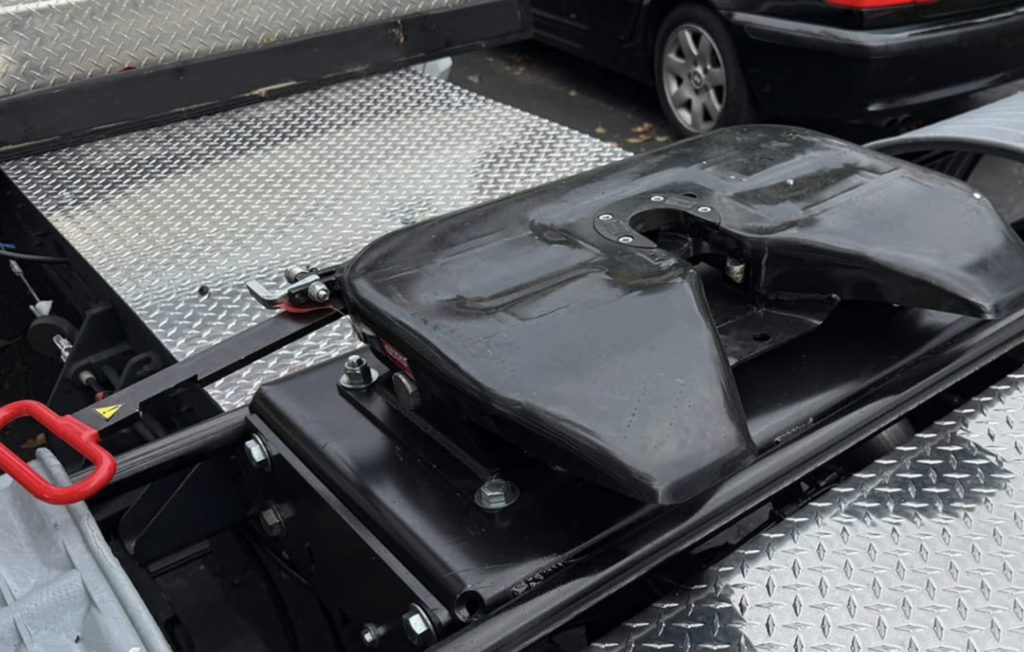
What Is a No-Drill System?
These connection systems, which do not require drilling, are specially designed to be installed without drilling new holes in the vehicle’s body. Some models in this system are secured using clamping mechanisms that do not damage the chassis, while others are mounted using the vehicle’s existing factory-installed mounting points.
Thanks to this design, the installation process for the 5th-wheel system is streamlined, and no permanent modifications are made to the vehicle. This system is particularly advantageous and frequently chosen by vehicle owners who plan to sell their vehicle in the future or who use leased vehicles.
Why Choose No-Drill Systems?
The biggest advantage of these systems is that they offer vehicle owners ease of installation. In contrast, other systems typically require installation using more traditional methods. For example, many of them require special equipment, a drill, or professional assistance. With no-drill 5th wheel hitch systems, however, installation can generally be completed using simple hand tools. Thanks to this feature, users benefit both in terms of time and cost.
Another key feature that sets this system apart from others is its removability. Users who wish to restore their vehicles to their original condition can easily remove the system whenever they choose. Additionally, since no drilling is involved during installation, there is no risk of cracks forming in the vehicle body, rust, or structural damage.
Preparations Before Installation
There are several important steps to consider before beginning the installation process for this system. First, you must review the vehicle’s owner’s manual and identify the mounting points recommended by the vehicle manufacturer. This is because each vehicle model may have different mounting points, and proper positioning is of the utmost importance.
The surface where the installation will take place must be dry and clean. The presence of oil, rust, or dirt in the installation area can make it difficult to secure the connection properly. Additionally, all parts required for the installation should be checked to ensure they are complete, and the appropriate tool sets for the vehicle should be prepared in advance.
Installation Process
Installing the fifth wheel hitch system consists of a few basic steps and is quite straightforward when performed carefully. The first step involves the mounting brackets. These brackets are properly positioned on the vehicle’s existing mounting points. It is important to ensure the brackets are correctly positioned because they serve as the system’s primary load-bearing components.
Next, the brackets are secured to the mounting points using the bolts and fasteners provided by the manufacturer. Those performing the installation must strictly adhere to the specified torque values during this step. Leaving the brackets loose can create safety issues while driving, while over-tightening them can cause damage and shorten their service life.
Finally, the fifth-wheel hitch system is placed on top of the brackets and installed. Once all these steps are completed and the connections are made, the system’s stability must be tested. If necessary following the inspection, adjustments should be made to the connections.
Maintenance Procedures and Ensuring Long-Term Durability
Regular maintenance is just as important for systems that do not require drilling as it is for other systems. Users of this system should regularly lubricate moving parts, check the condition of connection points at regular intervals, and tighten any loose bolts as needed; these steps help ensure the system remains safe and durable.
Additionally, drivers using this system for heavy-duty transport are advised to perform these maintenance tasks more frequently. Given the harsh conditions drivers face in such transport operations, which place additional strain on the system, it is critical that they do not neglect these regular inspections.
